
THE RIGHT TOOLING STARTS WITH THE PART

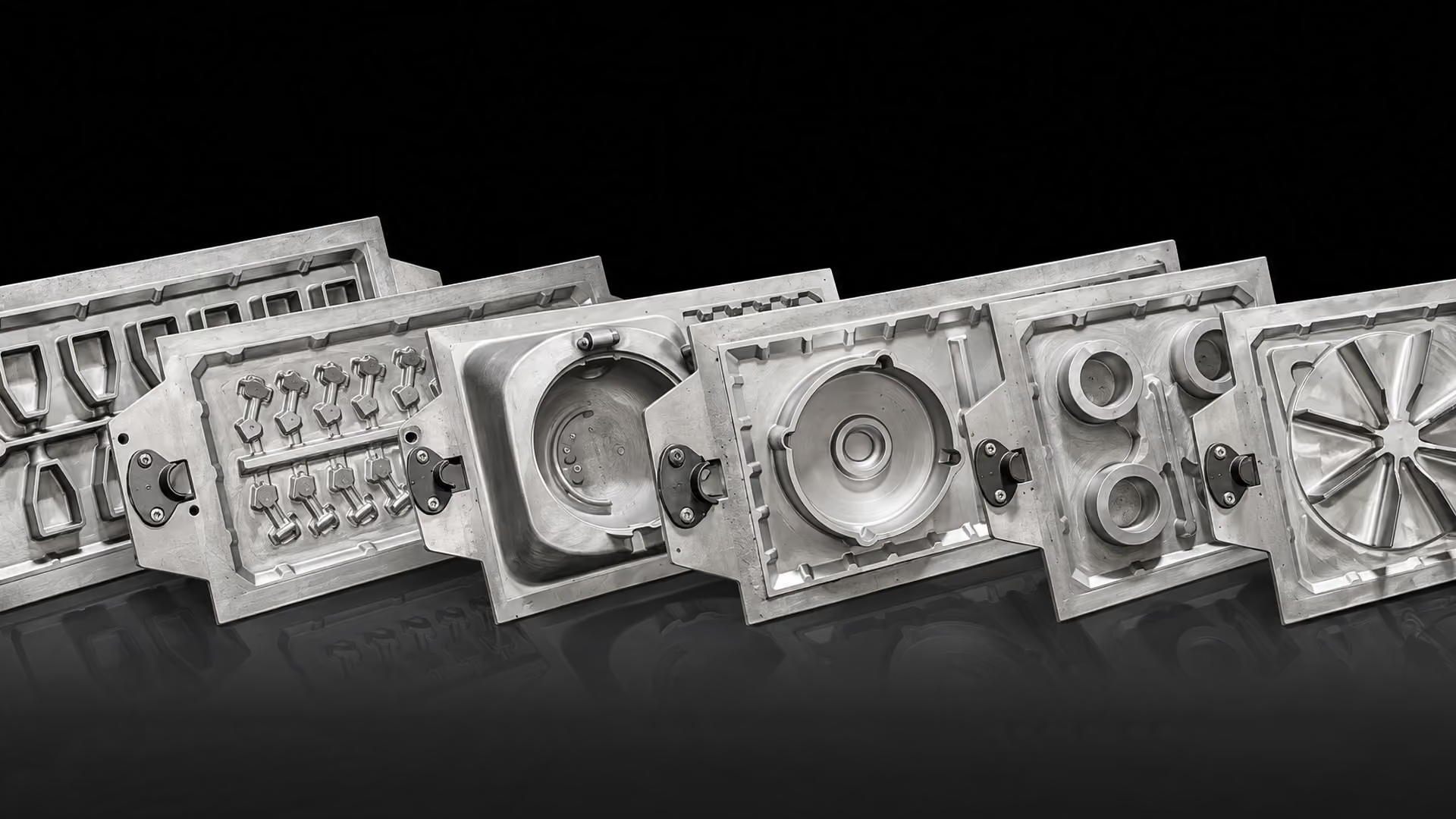
The size and shape of your casting help determine how we build the mold. Francis uses both matchplate tooling and loose patterns. For smaller castings, a range of flask sizes lets us select a mold frame suited to the part and keep production costs competitive. For larger castings, we use loose patterns and rely on experienced molders to form the mold around the tooling.
If your part needs a sand core to form an internal passage or cavity, we consider how that core will sit inside the mold when planning the tooling. For a new part, we start with your drawing and expected quantities. If you’re moving an existing casting to Francis, share any pattern photos or dimensions you have so we can review the tooling alongside the part requirements.
Loose-pattern molding takes hands-on experience. Our ongoing training program helps pass that knowledge from experienced molders to the next generation on the foundry floor.
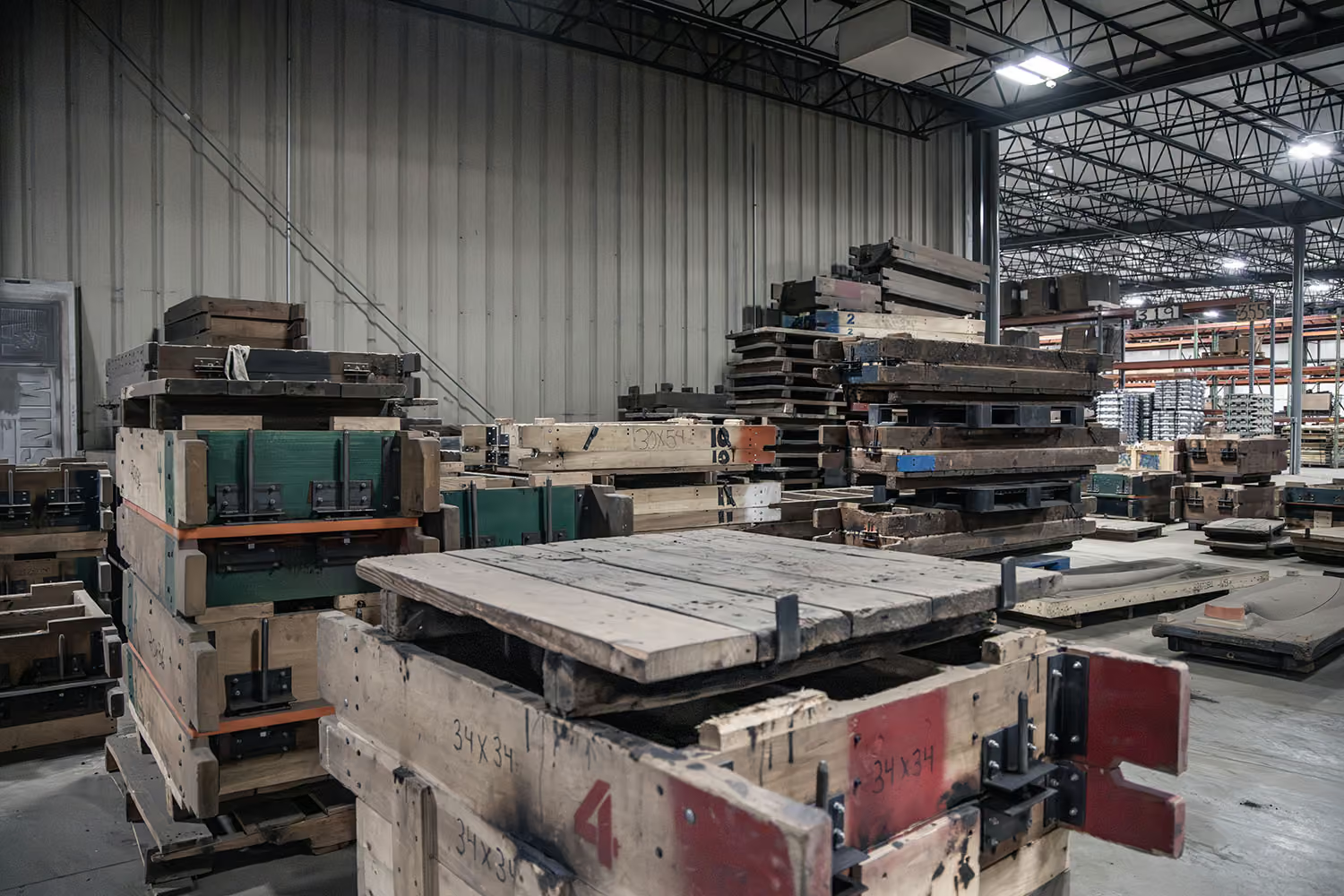
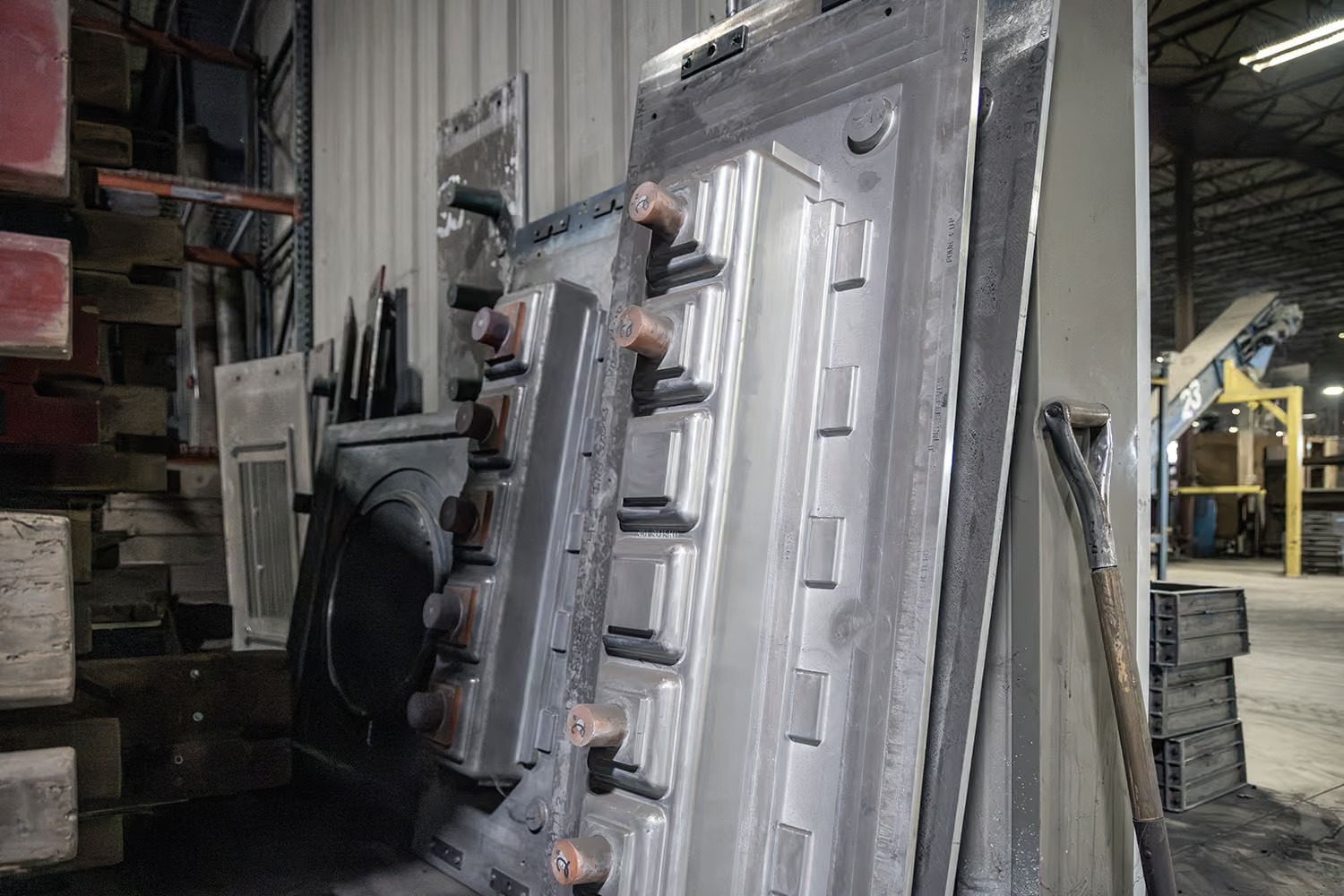
Matchplates & loose patterns

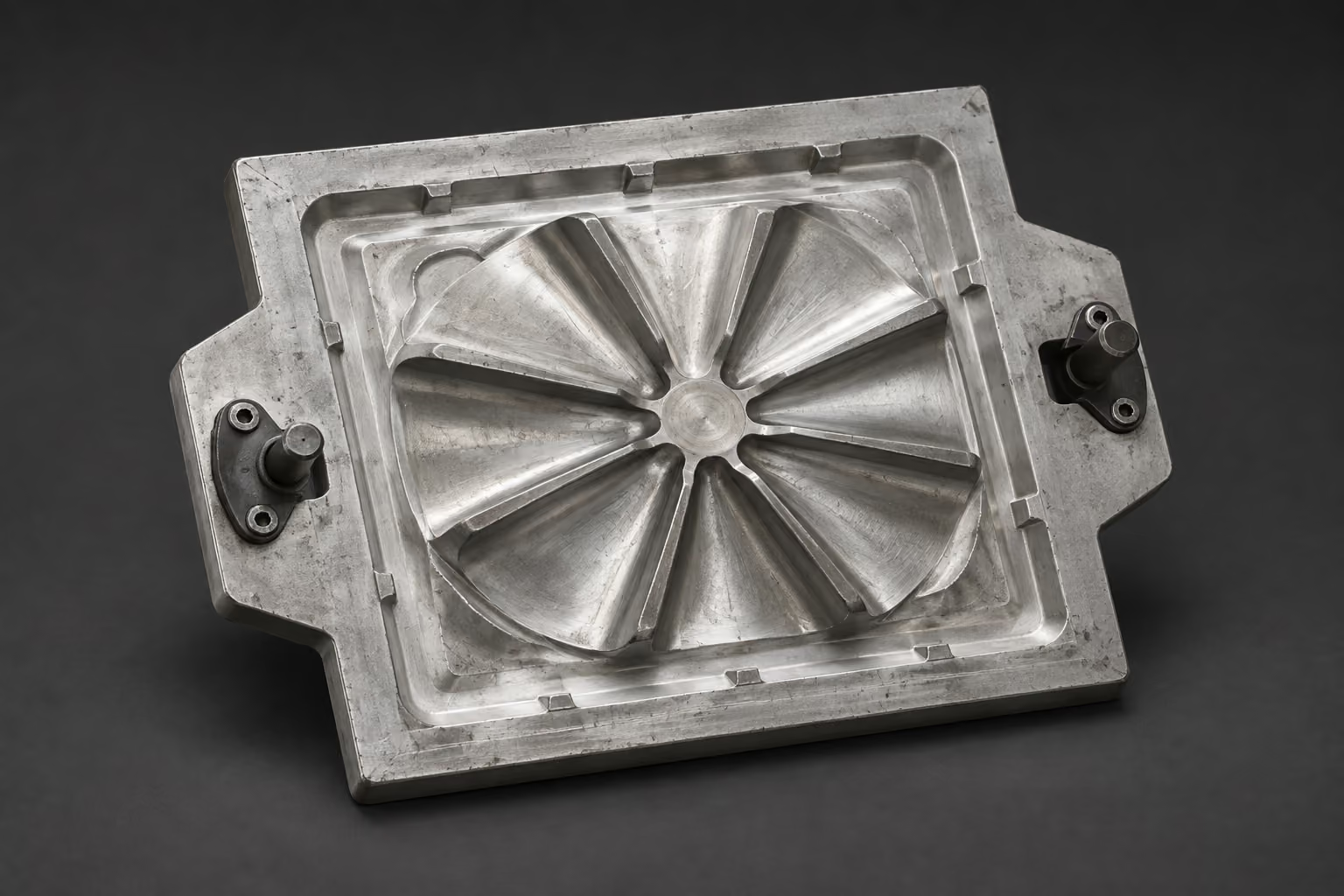
Matchplate Tooling
A matchplate carries the two pattern halves on opposite sides of a plate. It helps align the upper and lower mold halves, called the cope and drag, when they come together. Francis uses a range of flask sizes to support smaller castings.
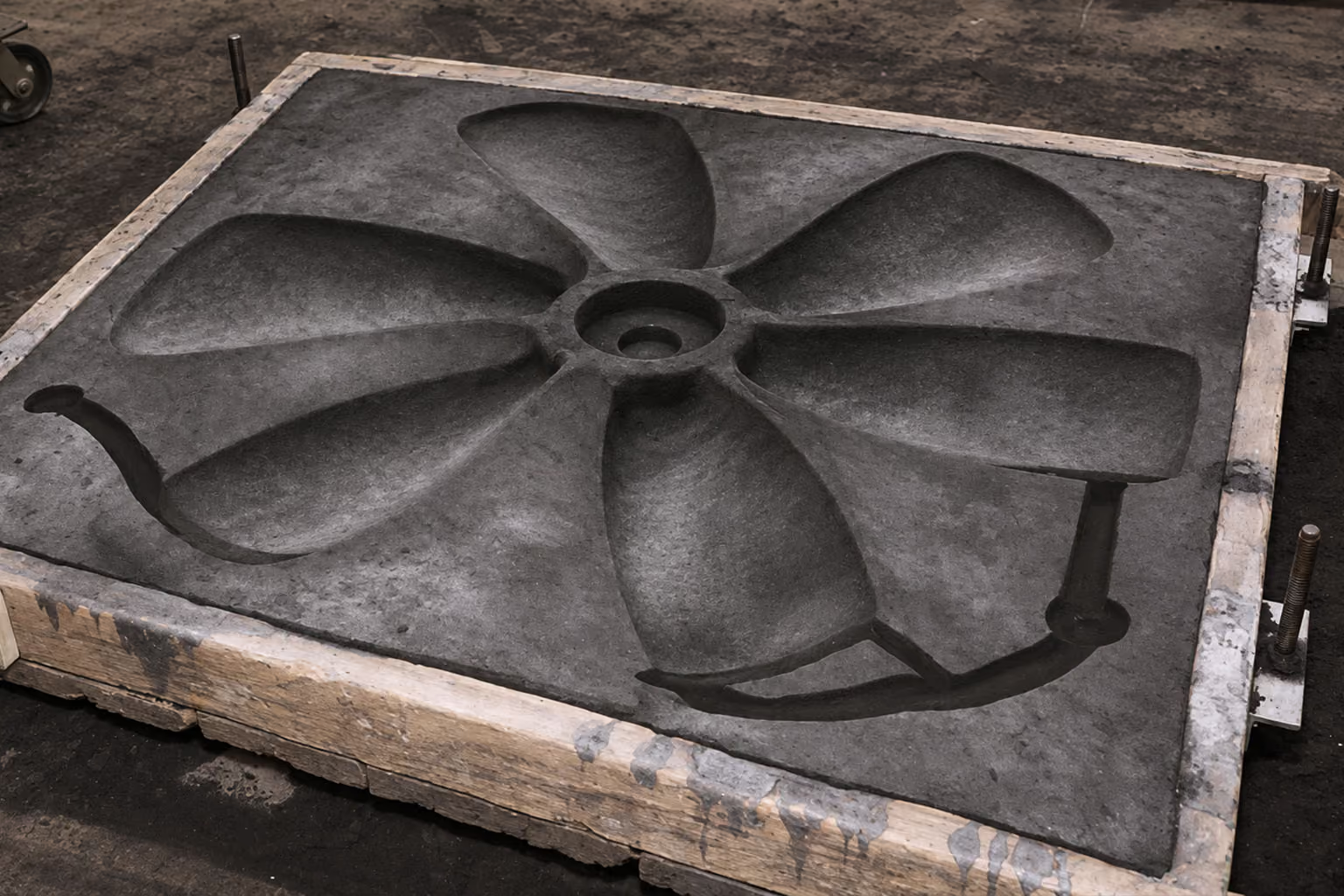
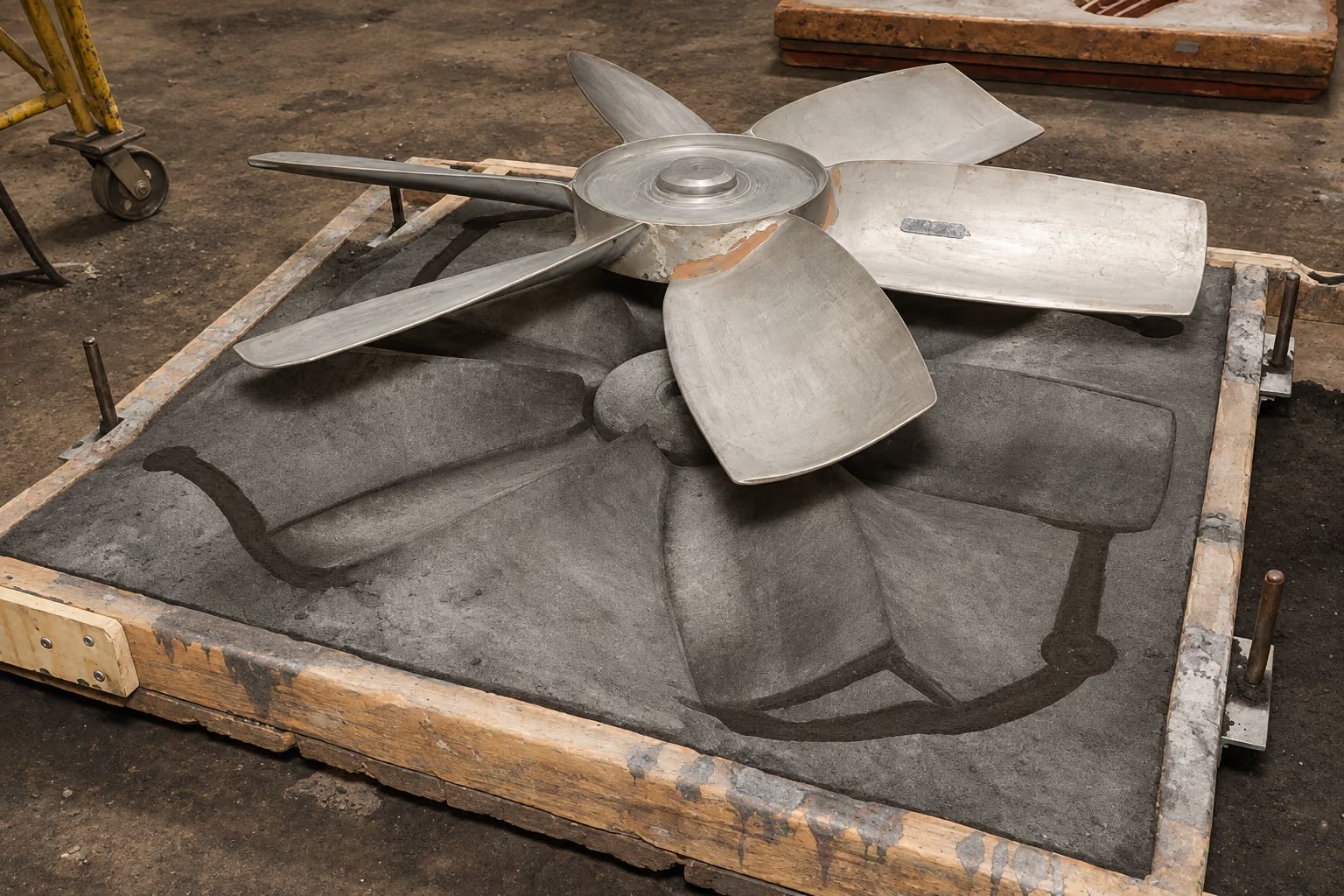
Loose Pattern Tooling
With loose pattern tooling, the pattern is handled separately from a matchplate. Francis uses this approach for larger castings, where experienced molders form the sand around the pattern and remove it to leave the mold cavity.
Casting Tooling Support
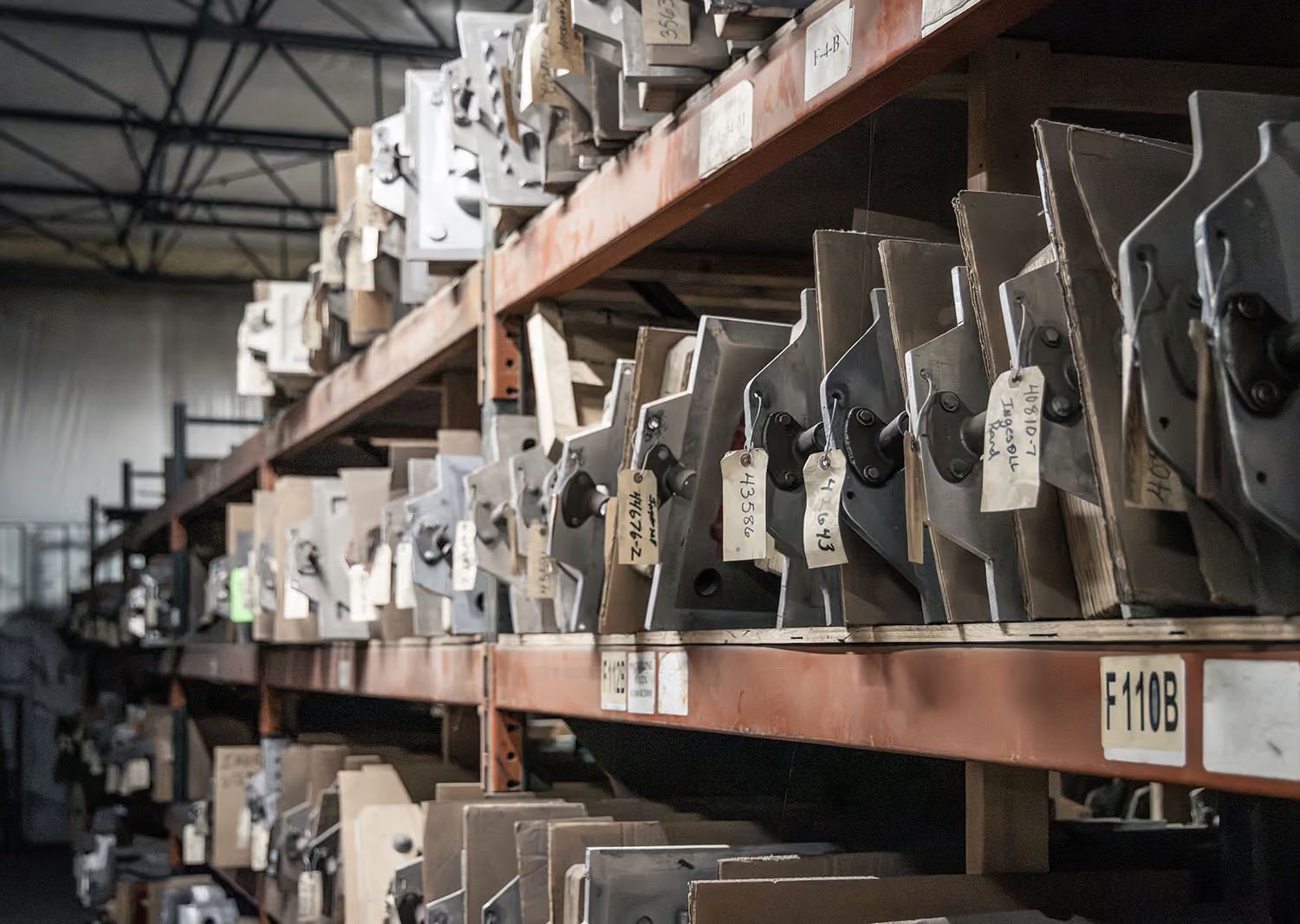
For a new casting, we review the part drawing, casting size, and expected production quantities to help determine the pattern design and flask size. If you’re transferring an existing pattern, we review its dimensions, condition, and how it fits our molding equipment. That helps us determine whether the pattern can run as-is or needs adjustments before production.

HAVE A DRAWING OR AN EXISTING PATTERN?
Send us your part drawing, expected quantities, and any details you have about the existing tooling. Photos and dimensions are a good starting point if the pattern is already in use. We’ll review what you have and discuss what the job will need.